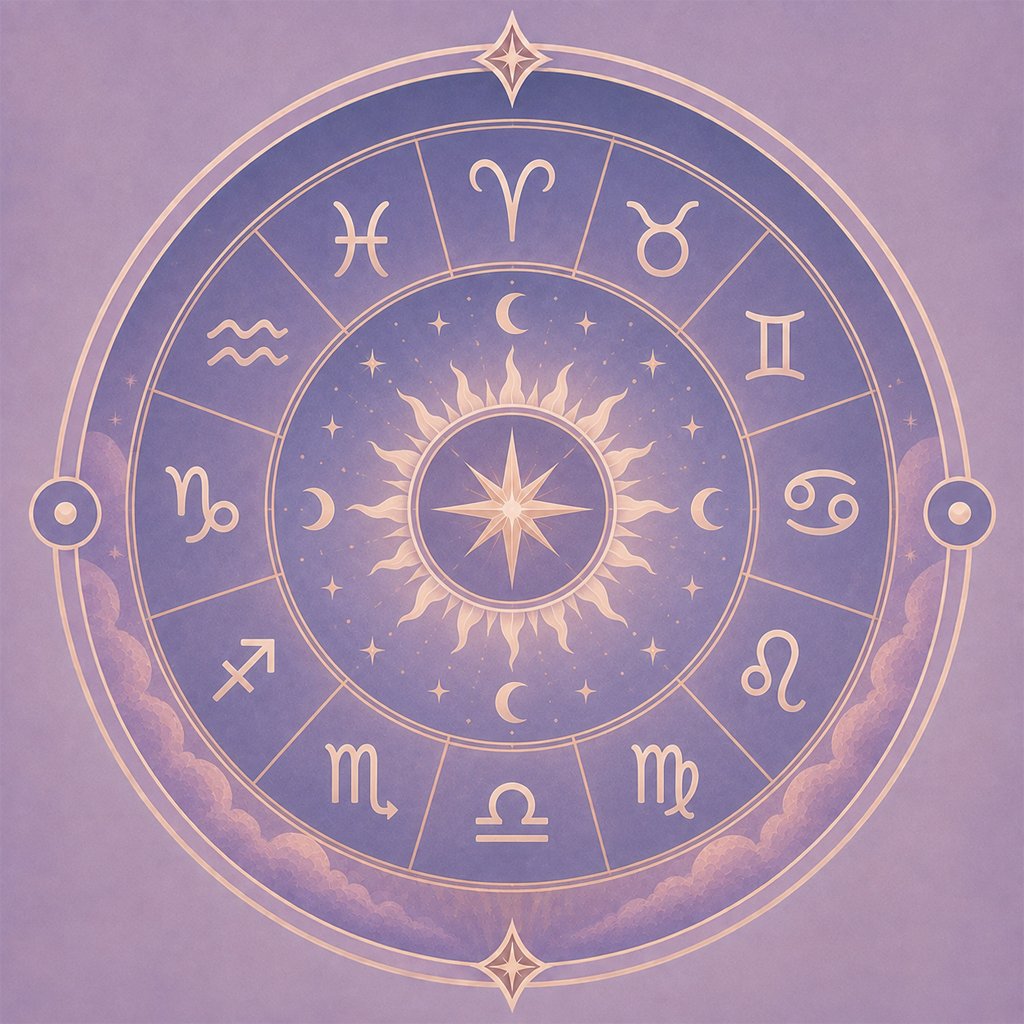
Crystal Matcher
The stones traditionally paired with your sign, element and birth month.
Worked out in your browser. Nothing you enter is sent anywhere.
Three Traditions That Disagree
Ask which stone belongs to somebody and you will get several incompatible answers, because at least three separate systems are in circulation and each was assembled for different reasons.
The modern birth-month list is the one jewellers use, and it descends from a trade standard fixed in the twentieth century and revised since. The zodiacal list is older and attaches stones to signs rather than months, so it does not align with the calendar. The elemental groupings are older still and organise by fire, earth, air and water.
This matcher reports all three separately rather than collapsing them. Presenting one as definitive would misrepresent a tradition that has never actually agreed with itself.
The Elemental Groupings
Fire signs draw carnelian, sunstone and citrine — the warming end of the collection, traditionally carried for drive and confidence. Earth signs draw jade, smoky quartz and malachite, the grounding stones people reach for when circumstances feel unsteady.
Air signs draw clear quartz, blue lace agate and fluorite, associated with clarity and with saying things plainly. Water signs draw moonstone, labradorite and aquamarine, linked to intuition and to lunar work specifically.
These groupings are the most internally consistent of the three systems, which is unsurprising given that they organise by an underlying principle rather than by calendar position.
What The Tradition Claims And What It Does Not
Crystal practice is a tradition of correspondence and attention. Stones are carried, placed, or held during focus, and practitioners describe them as anchoring intention rather than as acting independently.
No stone treats an illness, and nothing on this page should be understood as suggesting otherwise. Crystals carry no medical properties, substitute for no treatment, and any health concern belongs with a doctor rather than with a mineral. This matters enough to say directly rather than to bury.
Read as tradition and as a way of making attention tangible, the practice is old, widespread and harmless. Read as medicine it is neither supported nor safe.
Where The Modern Month List Came From
The birth-month stones most people can recite are more recent and more commercial than the tradition around them suggests. The list was standardised by the American jewellery trade in 1912 and has been revised several times since, with stones added when supply and fashion made it commercially sensible.
Tanzanite joined December in 2002, roughly thirty-five years after the stone was discovered at all. That is not a criticism so much as a caution against treating the list as ancient — it is a trade convention that acquired the feel of an old tradition through a century of repetition.
The older lists it displaced were regional, inconsistent between them, and frequently organised by zodiac sign rather than by calendar month, which is why the sign stone and the month stone so often disagree.
Caring For Stones
Practitioners describe stones as needing periodic cleansing, and the traditional methods vary: running water, moonlight, sunlight, salt, or smoke. Whatever one makes of the reasoning, some of these will physically damage certain stones and that part is not a matter of belief.
Salt scratches softer minerals and works into any surface that is not perfectly smooth. Prolonged sunlight visibly fades amethyst, citrine and rose quartz. Water is a poor idea for anything porous or fibrous, malachite and selenite among them, and selenite will dissolve given enough of it.
Moonlight is the method that harms nothing at all, which may be some of why it became the most widely recommended one.
Choosing Between Your Three Stones
Most people receive three or more names here and want to know which to actually pick up. The tradition offers no ruling, and practitioners split roughly along predictable lines.
Those who work primarily with birth charts tend to favour the sign stone. Those who think in elemental terms favour the elemental set, and appreciate that it supplies three options rather than one. The month stone carries the least astrological weight and the most cultural familiarity, being the one that appears in jewellery.
A practical answer, offered without any claim to authority: the elemental stones are the most flexible, because an element describes something durable about how a person operates while a calendar month mostly describes a date.