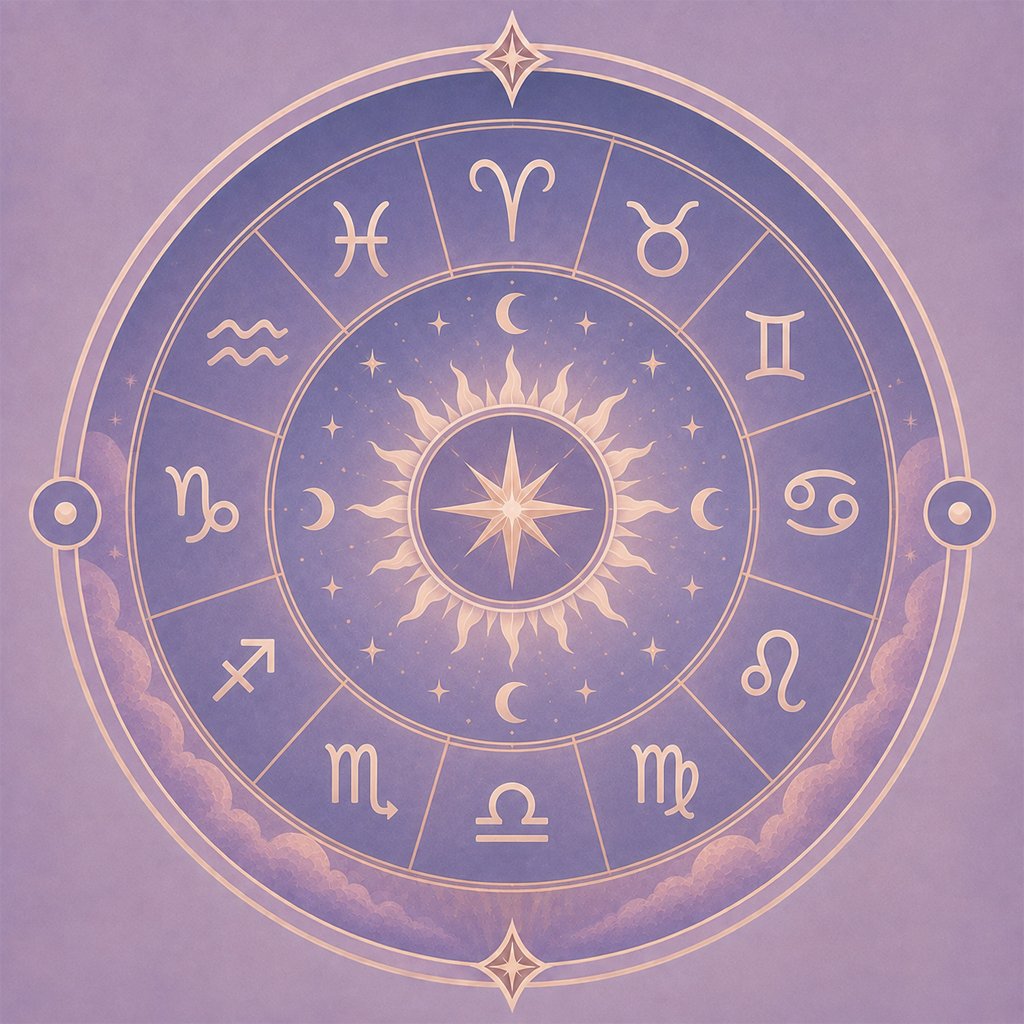
Your First Week With Astrology: What to Learn in What Order
A practical sequence for beginners, from the three placements that matter most to the point where a full chart stops looking like noise.
The tradition makes narrower claims than either its enthusiasts or its critics usually assume. Here is where the actual line sits.
One expands and one contracts, and reading either alone gives a distorted picture. The old benefic-and-malefic labels obscure what is actually going on.
It carries the heaviest traditional baggage of the twelve houses and describes something quite ordinary: the need for unstructured, unobserved time.
The four fixed signs share a structural position on the wheel, and it explains both their reliability and the stand-offs they get into.
Sun-sign compatibility is one placement against one placement. Here are the comparisons that carry more weight, and the limits of all of them.
Some placements need the hour and some do not. Here is exactly what you lose without one, and what remains perfectly reliable.
A tarot deck is organised, not arbitrary. Learn the structure and most of the memorisation disappears.
Falling, teeth and being chased top every dream survey ever conducted. The explanations turn out to be more physiological than symbolic.